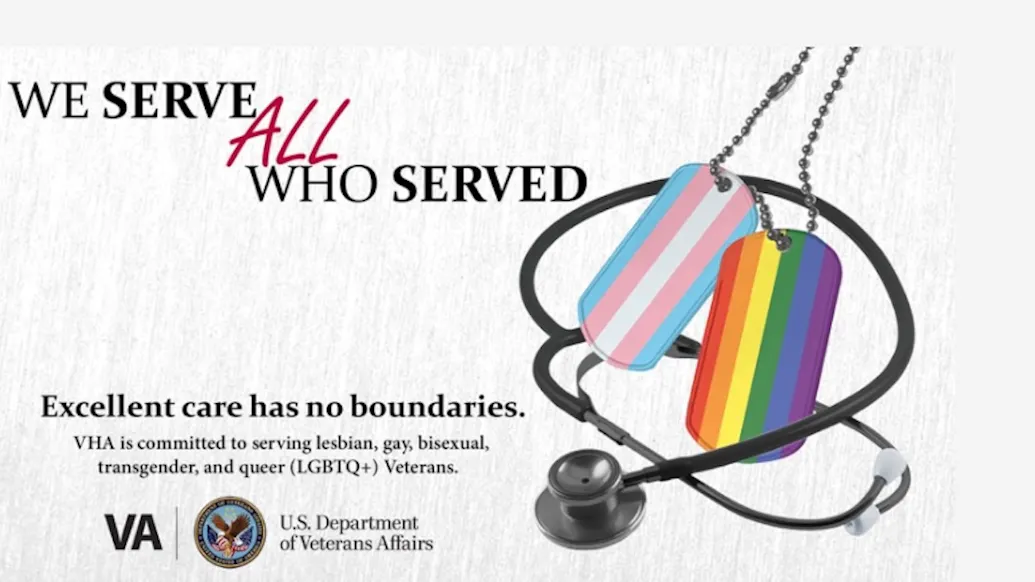
In the last year of the Biden administration, the Department of Veterans Affairs inaugurated an effort to embed diversity, equity, and inclusion principles that would outlast their time in power.
In January 2024, the VA’s Inclusion, Diversity, Equity, and Access Council met to discuss the results of a survey, wherein employees were asked to identify “pain points” connected to their individual identities — based on race, gender identity, and a number of other factors — in order to further embed Diversity, Equity, and Inclusion (DEI) initiatives in the agency.
The discussion centered on “identity insights” and was designed to “improve employee experience,” records obtained by the Center to Advance Security in America reveal.
Just under 300 participants identified some 5,710 “pain points” that ranged from complaints about a colleague making an “inappropriate comment” to concerns that office holiday decorations excluded certain religious preferences. Other “pain points” were centered on general workplace environment and feeling that other employees did not understand certain sensitivities connected to those identity characteristics.
The 2024 meeting, which was planned three years earlier, began as a partnership between the Veterans Experience Office’s Employee Experience Organizational Management Directorate and the Office of Resolution Management, Diversity and Inclusion to improve employee experience by addressing the “pain points” they experienced in the workplace based on their identities.
Those identities — in addition to race, sex, sexual orientation, and gender identity — divided participants along religious lines and listed separate categories for Baby Boomers, Generation X-ers, Millennials, and Generation Z employees as well.
Of the 281 who were interviewed, only 3% answered based on only one identifier. Nearly one-fourth (24%) selected two identities, and 39% selected three. Of the remaining participants, 21% chose four identities, 11% chose five, and 2% chose six.
Following the late January meeting, the Council recommended a series of steps designed to make the VA a more receptive place for employees to express their “whole, authentic identity.”
“The three most pressing data fields that would benefit from a redesign as having emerged from the Identity Insights project include ‘gender,’ ‘sexual orientation,’ and ‘race,’ as these categories either do not exist or do not exhaustively provide inclusive options for employees to holistically and accurately self-identify,” the study advised.
Another recommendation was for a “streamlined escalation pathway” for employees to resolve identity-based complaints — particularly “in the event of mistreatment, including reporting I*DEA issues, harassment, and general concerns with conduct in the workplace.”
Those complaints, the study indicated, could stem from interactions between employees, between employees and supervisors, and even between employees and the veterans they serve — with emphasis placed on the potential for veterans to create “pain points” that impact employees.
The study also suggested there should be an avenue for dealing with “the impacts of negative customer experiences on employees such as health practitioners providing additional coverage when LGBTQ+ Veterans are denied care by a colleague” — but did not provide evidence that such denial of care was happening within the VA system.
Almost one year to the day after that meeting — on January 27, 2025 — the VA under President Donald Trump had already begun to root out the DEI initiatives within the department.
“Under President Trump, VA is laser-focused on providing the best possible care and benefits to Veterans, their families, caregivers, and survivors,” VA Director of Media Affairs Morgan Ackley explained. “We are proud to have abandoned the divisive DEI policies of the past and pivot back to VA’s core mission.”
In the year since, under Secretary of Veterans Affairs Doug Collins, the agency has cut $14 million in spending that went solely to DEI-focused initiatives and training. It is unclear whether the recommendations made during that meeting were ever implemented, and if so, what the new administration may have in place to put a stop to the process.
.png)
.png)