Defense analysts and technologists have noted that the legacy media coverage of drone failures reflects a deeper misunderstanding of how America has historically developed advanced military systems — and why failure-based testing has long been essential to U.S. security.
Recent reporting from The Wall Street Journal and Reuters took aim at defense-tech firm Anduril, highlighting test failures ranging from crashed drones to an engine-damaging nail discovered after a ground run of the company’s experimental unmanned jet.
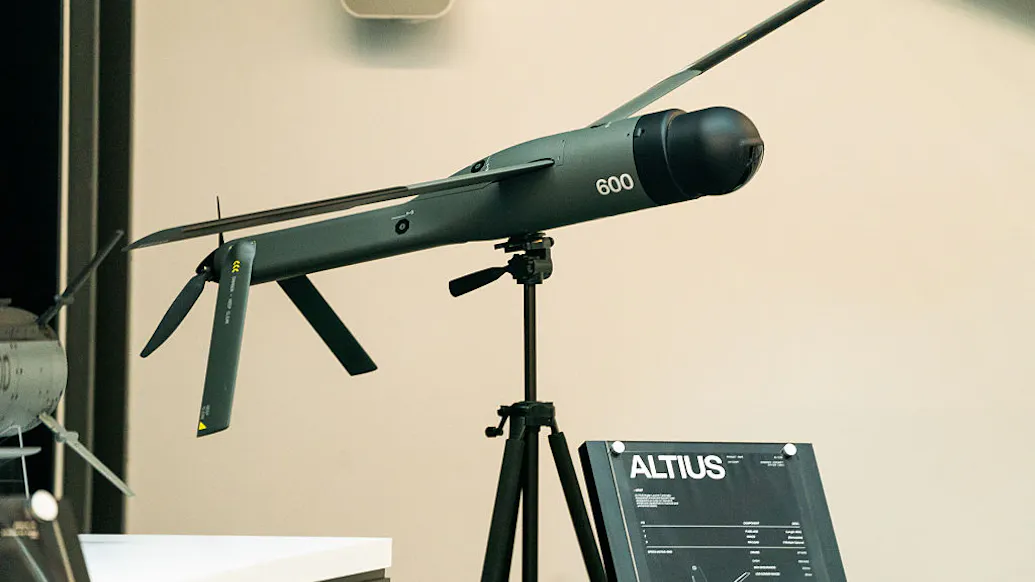
The scrutiny comes as Anduril accelerates work on autonomous systems for the Pentagon, including loitering munitions, counter-drone platforms, and a next-generation “Collaborative Combat Aircraft.” According to reporters, the company has encountered issues during Navy exercises, experienced drone failures in Ukraine, and seen fiery mishaps on U.S. test ranges. The tone of the coverage suggests a pattern of dysfunction.
But defense experts argue the opposite: the tests reveal a healthy development pipeline operating the way America’s most successful Cold War programs once did.
Historical precedent strongly supports that view. In 1957, General Bernard Schriever — the architect of the U.S. ICBM program — watched the Thor missile explode just inches off the launch pad. Several subsequent tests ended in a similar fashion. Yet rather than treating those failures as scandalous, contemporaneous media framed them as inevitable steps in the rapid creation of systems meant to counter the Soviet threat. Thor’s problems directly informed the Minuteman program, which achieved a successful test flight within four years and became one of the most consequential deterrent weapons ever fielded.
Other iconic programs followed the same pattern. The CIA’s CORONA spy satellites failed 12 times before returning reconnaissance film that altered the strategic balance of the Cold War. Early Sidewinder missile tests regularly missed targets; a test pilot joked the missile flew off “like a big-assed bird.” Tomahawk cruise missile prototypes repeatedly crashed during demonstrations, prompting the Secretary of Defense to remind reporters that testing exists precisely to expose design flaws.
50% off DailyWire+ annual memberships will not return for another year, so don’t miss this deal! Join now at DailyWire.com/cyberweek.
Against that backdrop, observers say today’s intense focus on Anduril’s failed test flights — many of which occurred during intentionally aggressive trial conditions — reflects a shift toward a risk-averse, slow-moving defense culture that critics argue has already delayed major modernization programs. Anduril itself has emphasized that rapid iteration is central to its model, noting that it tests “five days a week, nearly 52 weeks a year,” and that failures are “intentional” opportunities to accelerate learning.
Anduril founder Palmer Luckey stated bluntly on X, “We aren’t going to change. We aren’t going to slow down. That is exactly what they want us to do, exactly what our competitors want, and the opposite of what building safe, powerful, cost-effective weapons actually looks like.”
We aren't going to change. We aren't going to slow down. That is exactly what they want us to do, exactly what our competitors want, and the opposite of what building safe, powerful, cost-effecfive weapons actually looks like. https://t.co/bQ9J9YgSaZ
— Palmer Luckey (@PalmerLuckey) December 3, 2025
The larger concern, experts warn, is that media narratives portraying routine developmental setbacks as alarming may inadvertently push the defense sector toward even greater caution, mirroring practices that historically hindered rivals like the Soviet Union. In an era of rising Chinese military capability, they argue, discouraging aggressive testing risks slowing innovation at the precise moment the U.S. can least afford it.
From this view, criticizing failure-focused testing doesn’t expose a national security problem — it helps create one.
.png)
.png)