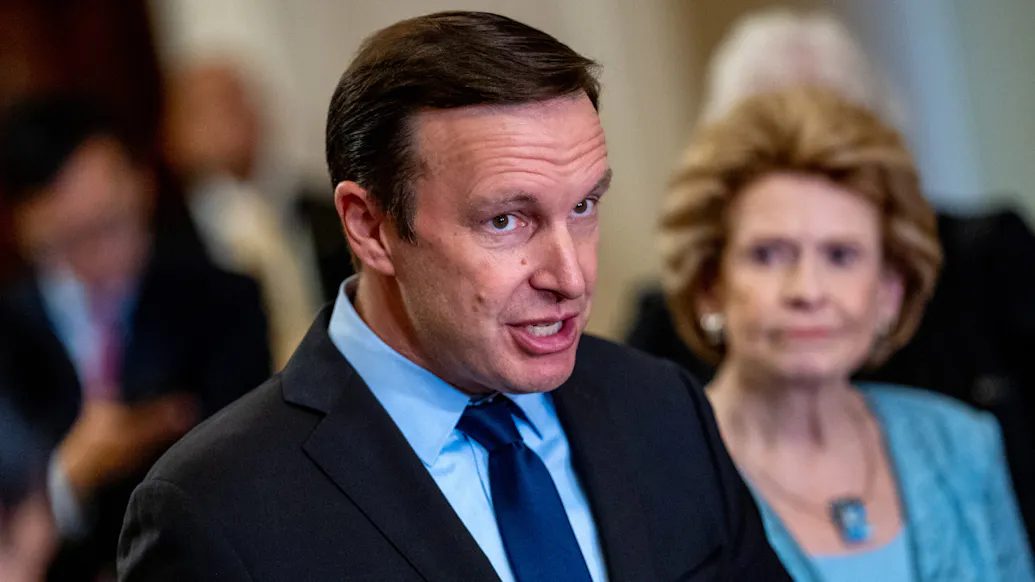
The introduction of the Living Wage For All Act by Senator Chris Murphy (D-CT) and congressional allies is pushing a radical economic proposal: a federally mandated $25-per-hour minimum wage.
While Murphy and his co-sponsors frame the legislation as a long-overdue correction, economic analysis reveals that this idea could carry devastating consequences for American workers, small businesses, and the economy.
“If you work full time in this country, you should be able to afford to live,” Murphy declared. “But wages are so low that parents work 60 hours a week and still aren’t sure if they’ll have lunch money for their kids. Our economy is not working for people, and we have to put forward solutions that are as big as the problems American families are facing.”
The proposal aims to more than triple the current $7.25 federal wage, which has been frozen since 2009, through a multi-year phase-in.
One problem with the $25 proposal is employment destruction. Economic modeling based on information from the Congressional Budget Office (CBO) indicates that a nationwide $25 minimum wage would cost the U.S. economy approximately 5 million jobs, as the Employment Policies Institute (EPI) notes: “The majority of research over three decades finds minimum wage increases reduce employment.”
Because labor markets vary wildly across the country, a uniform federal mandate would hit states with lower costs of living much harder. “EPI estimates the federal $25 proposal will cost 5.01 million jobs nationally, significantly impacting the hospitality sector, tipped restaurant workers, and teens,” EPI stated.
Hospitality, retail, food services, teenagers, and entry-level workers would be hit the hardest, as layoffs would ensue to help businesses survive.
While large corporations might attempt to ride out the problem or accelerate automation to replace workers, main street small businesses wouldn’t have money. Many would be forced to close their doors permanently, while others would slash employee hours, strip away health and retirement benefits, or scale back hiring.
In addition, the legislation would exacerbate the very inflation it claims to fight. Businesses would have to pass the elevated labor costs to consumers through higher prices. Any gains seen by remaining workers would be neutralized by the skyrocketing cost of living, harming lower-income households the most.
.png)
.png)