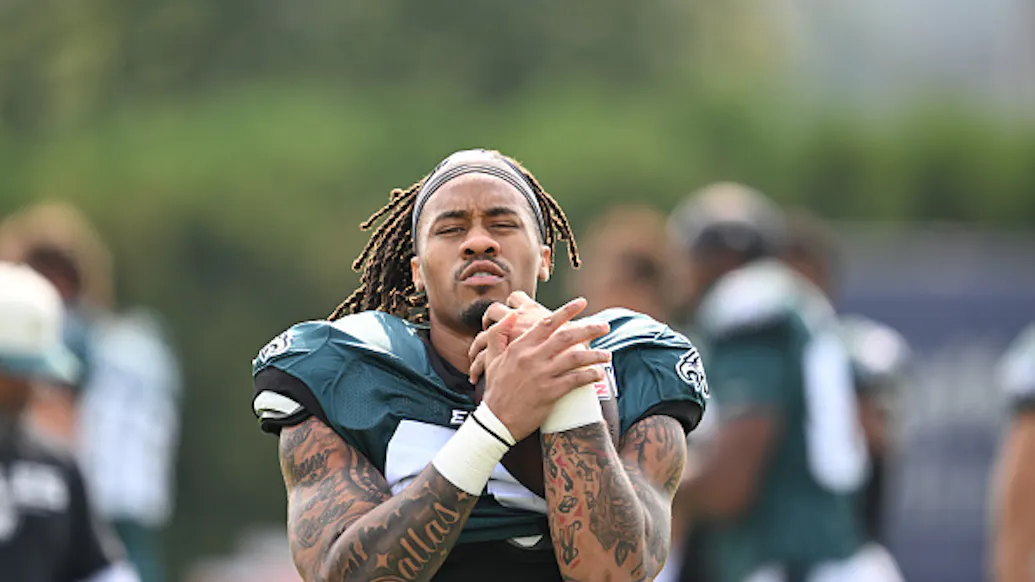
Despite playing preseason football for NFL teams, a group of players just got permission to return to college football — at least while their case against the NCAA plays out in court.
Sixteen former college players, including several players still on NFL rosters, joined a group of other athletes in a lawsuit against the NCAA in Louisiana after the organization changed its eligibility rules to allow athletes to compete for five seasons within a five-year period, instead of four seasons during a five-year period. However, players finishing their fourth season under the old rules were not automatically granted the opportunity to return for a fifth season. A judge issued a temporary restraining order on Wednesday, allowing the professional athletes to return to college for another season.
NCAA officials criticized the ruling and pointed out that it’s part of numerous court decisions that are stripping opportunities from incoming freshmen “who will never have a chance to begin their collegiate sports experience.”
“Courts across the country granting relief to ineligible athletes who already had every opportunity to compete in college — sometimes without even having a hearing — are failing to appreciate the destabilizing effect their rulings are having on college sports,” said NCAA senior vice president Tim Buckley. “The lawyers bringing these cases seemingly won’t be satisfied until every professional athlete can treat college sports as a fallback option, regardless of the opportunities it strips from those who will never have a chance to begin their collegiate sports experience.”
If the NFL rookies are released from their pro teams by September 1, they could be back on college football fields this fall thanks to Wednesday’s ruling. The list of plaintiffs includes three former Ole Miss starters who signed with NFL teams this summer, but several of the players have expressed interest in being released from their NFL contracts to return to college. Dae’Quan Wright is currently on the Cleveland Browns’ roster after he was waived by the Philadelphia Eagles, while Wydett Williams is on the roster for the Arizona Cardinals. Zxavian Harris was waived by the New Orleans Saints earlier this month and is not on an NFL roster.
One incentive for returning to college is the money now available to players through NIL — name, image, and likeness — opportunities. While individual NIL earnings are generally not publicly disclosed, an NIL payout for a starting player at Ole Miss typically ranges from $150,000 to more than $5 million. College athletes were able to start making money from NIL beginning in 2021.
Former LSU edge rusher Jack Pyburn, South Carolina safety DQ Smith, James Madison linebacker Trent Hendrick, and Notre Dame defensive lineman Junior Tuihalamaka were also notable players on the list. Pyburn is currently on the Buccaneers, and Smith was waived by the Denver Broncos in May. Hendrick and Tuihalamaka are not currently on an NFL roster.
While the temporary restraining order gives the plaintiffs relief from NCAA restrictions that could otherwise prevent them from entering the transfer portal or returning after signing professional contracts, the order is temporary and does not represent a final victory for the players. Their long-term eligibility will ultimately depend on what happens as the case is litigated.
.png)
.png)