 Ben Domenech
The coalition that returned Donald Trump to the White House in 2024 was arguably the broadest and most diverse voting base assembled by any Republican in the modern era. It included almost half of Hispanic voters, 40% of Asian voters, and an unexpectedly high 15% of black voters. It was the kind of coalition Republican consultants had dreamed of seeing on a national scale for decades. And it had the promise of a new electoral majority that combined the fastest growing parts of the country with the white bread American heartland to frustrate the Left’s ambitions for a generation.
Today, with the midterm elections mere weeks away, that coalition looks decidedly fractured. His approval among black voters has sunk, largely thanks to economic and inflation concerns. Controversy over H-1B visas and a racist tweet by a Trump supporting candidate in Texas became flashpoints for Indian Americans, contributing to a decline in support among Asian voters. And his portion of the Latino vote is taking a hit both for his aggressive enforcement of immigration laws in some communities and a feeling of betrayal by an administration that has prioritized foreign policy conflicts over domestic policy concerns. As the Financial Times frames it:
In 2024, nearly half of Hispanic voters backed Donald Trump. But polls predict that a big majority of them will support the Democratic Party in this year’s midterms.
Many of them blame the Trump administration for a Middle East war that has pushed up diesel and gasoline prices, for cuts to welfare programmes they rely on more than white voters do and for a crackdown on illegal immigrants that has sown fear and anger in Hispanic neighbourhoods…
Both parties have long courted Hispanic communities, who make up about 20 per cent of the US population. But with so many of them backing Trump in 2024, there was talk of a permanent shift in their loyalties towards the Republicans, a once-in-a-generation political realignment…
“hey were angry at Biden-era inflation and Democratic identity politics, symbolised by the word “Latinx”, which many saw as a label imposed on them. They felt that the undocumented migrants flooding across the border were being granted rights and benefits they had spent decades fighting for. But Hispanic support for the Republicans has proved far more ephemeral than party strategists had hoped.
Last week, the most recent CBS News/YouGov poll found 60% of likely Hispanic voters planned to vote for Congressional Democrats in November. For Republican candidates who had hoped their redistricting success would create a swathe of competitive districts, it turns out much of that hope depended on the 2024 Trump coalition holding together. Instead, it’s breaking apart.
CBS/YouGov poll | 9/30-10/2
(Hispanic voters surveyed)
Generic congressional ballot 2026
🟦Democratic 60%
🟥Republican 39%
——
2024 vote for president
🟦Democratic 51%
🟥Republican 46% https://t.co/fhytQrdCcR— Politics & Poll Tracker 📡 (@PollTracker2024) October 4, 2026
None of this should be surprising. The president has exercised such an outsized role in determining the direction of his party that the extent to which his second term has focused on building – his White House, his legacy, his reshaped world – it has done little to build on the coalition he and his team formed. Instead, the administration’s attitude seems to be: what are you complaining about? If you’re complaining, you’re not part of the team.
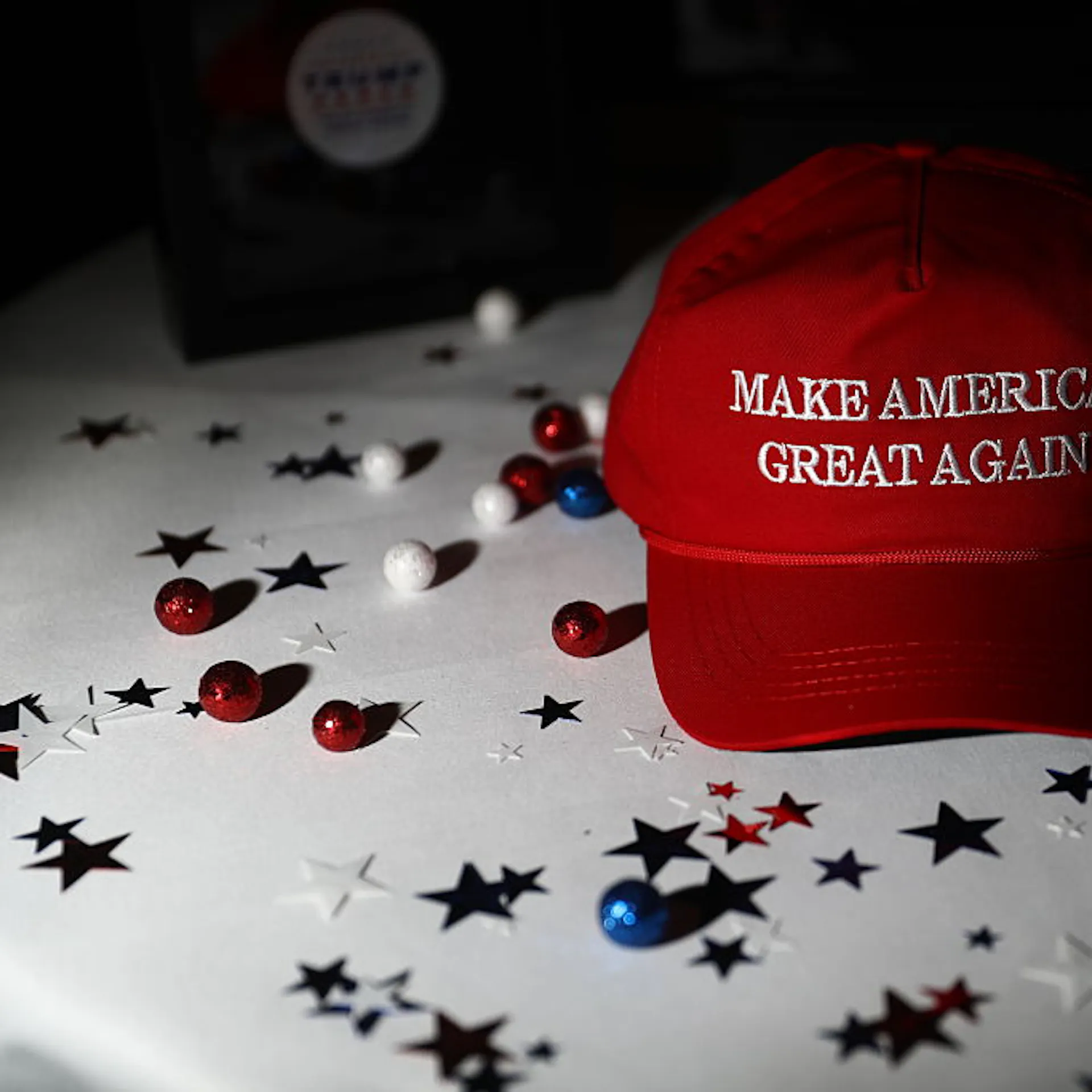
The effect is a sour taste in the mouths of many voters who crossed over to back Trump over Kamala Harris, much to the outrage and frustration of their friends and families. The MAGA movement advances a mythology that everyone who voted for Donald Trump in 2024 was coming in for the big win, that they’d joined the fanbase and donned a bright, shiny new jersey. But that’s not what happened. For many voters, including the most critical independents who swung his way, choosing Trump over Kamala was the pragmatic choice. It wasn’t signing up for the red hat club. It was a hope that he could right the ship.
Instead, voters today see a gilded age of ultrarich tech weirdos and Wall Street finance bros controlling Washington’s priorities. Farmers see the highest debt they’ve ever had. Ranchers and consumers see knockoff South American beef flooding our markets. Diesel prices scared the White House enough that they’re reversing their policy to buy Russian gas, even though it’ll cover only two days of supply (if Vladimir even delivers). Mortgage rates popping above 7% means more and more potential homeowners will be forced to sit and wait for their dream. And the president? He’s promising you $5k if you re-elect Republicans – which he’ll deliver somehow, TBD.
By nearly all the major measures, this economy is better than the one Joe Biden presided over – but President Trump’s numbers are worse. It’s obvious why. These new voters expected him to fix things and make them better. Instead, they’re stuck in an economy where the things they need to buy for day-to-day life are more expensive, the people winning big in the marketplace exist at a far-flung distance, and the president seems more interested in landscaping than the voters who crossed over to elect him.
Whatever happened to America First? That’s the fundamental question voters are asking. And the answer Republicans are giving them isn’t enough.
.png)
.png)

