 Jerry Ball
Few things in America are more popular than watching an NFL game on Sunday. At a time of deep political divisions, Americans can still come together to watch the Cowboys take on the Eagles or the Packers clash with the Bears.
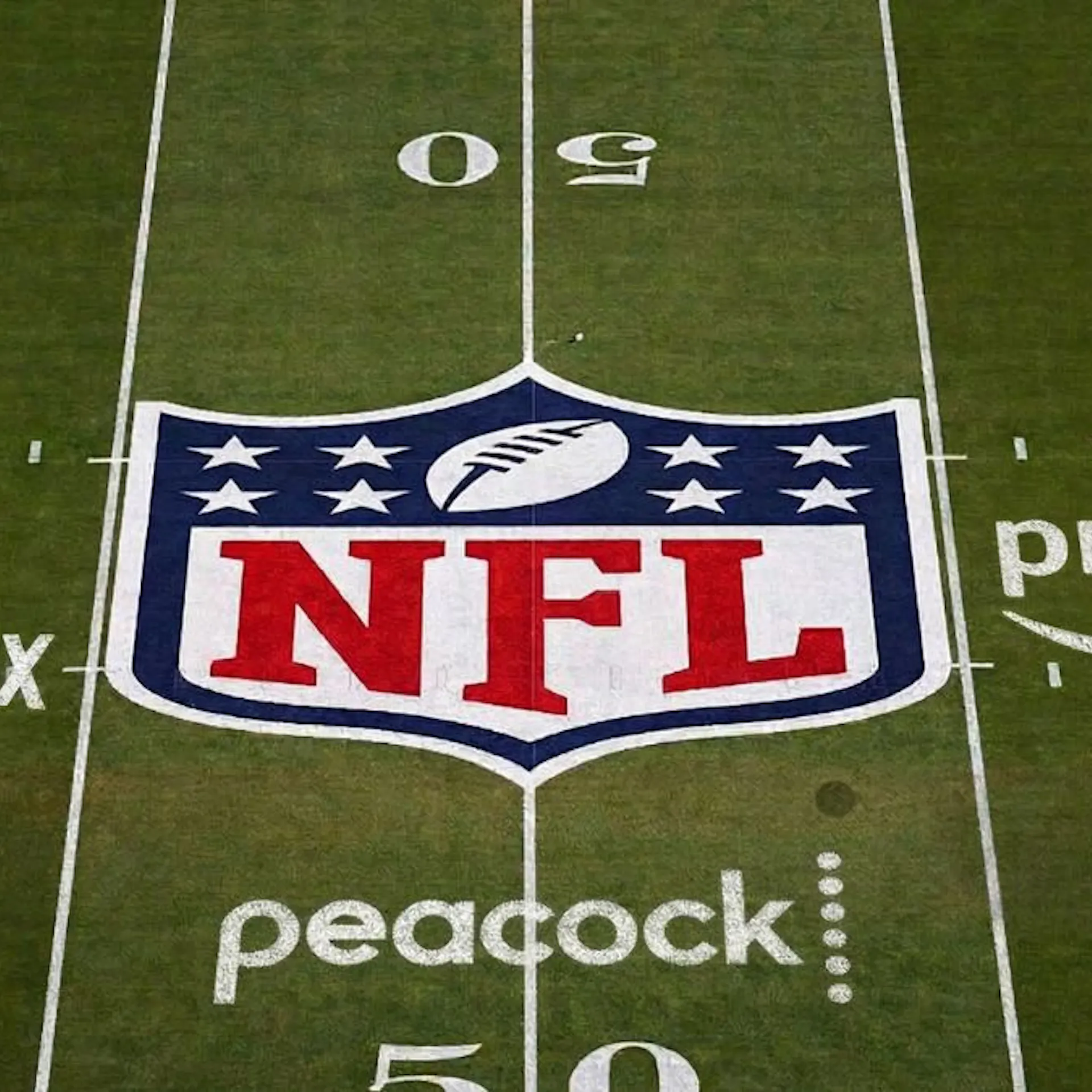
But lately, the NFL’s increasingly fragmented streaming model is making it difficult for fans to watch their favorite teams — and Washington, D.C. has noticed.
I’m a common-sense football fan. I grew up in Texas, admiring the character of football legends whom I mostly watched play on TV. It’s that access to broadcast games — available to everyone — that will create the next generation of players and fans.
For many of us, football is so much more than content we choose to consume. As a former NFL lineman, I understand that football is one of those things that can and does bring us all together.
That’s why it’s so frustrating to see corporate shenanigans coming between us and our games.
What was once available through cable packages and local broadcasts is now scattered across multiple streaming platforms, subscription services, and exclusive broadcast deals, forcing Americans to pay more just to watch the teams they already support.
This can make watching a regular season game an act of jumping through hoops. And it’s exactly the kind of thing antitrust law — which holds corporations’ feet to the fire when they try to harm consumers — was designed to prevent.
The point of antitrust law is not to wage war against successful businesses. It’s not to satisfy activists who believe every company is inherently suspect.
The purpose is to protect consumers from anti-competitive behavior that raises prices, reduces quality, or limits choice. Just like we’re seeing right now with the NFL.
That consumer-focused standard served the American economy well for decades. But starting in the 2020s, antitrust enforcement took a more aggressive and ideological approach — one that often ignored whether consumers would actually benefit from government intervention.
Take, for example, what happened with Spirit Airlines.
Last month, Spirit collapsed into bankruptcy after regulators blocked its proposed merger with JetBlue. At the time, government officials framed the merger as a threat to competition in the airline industry. But in reality, preventing the deal from going through weakened one of the few ultra-low-cost carriers in the country and helped push it over the edge.
Whether you flew Spirit or not, its mere presence in a market brought benefits to consumers. By offering fares significantly lower than those of its big competitors, major carriers in competitive markets were forced to lower fares. With Spirit permanently grounded, fliers now have fewer options and are facing higher prices.
This is the problem with allowing antitrust regulators free rein — their heavy-handed actions ultimately backfire. Yet with the NFL, the government is returning to a more common-sense approach, showing once again that it puts the consumer first.
For the NFL, regulators are asking a legitimate question: Are exclusive streaming arrangements and concentrated media rights making fans pay more while giving them fewer viewing options?
This is exactly the kind of consumer harm antitrust law was designed to address.
Asking that question is not anti-football. In fact, it reflects the same kind of common-sense problem-solving that has helped improve the game throughout its history.
When legitimate concerns are identified, the goal should be to fix them, not ignore them.
Like most Americans, I want to make sure both big government and big business don’t abuse their power. That’s why I find this shift so relieving — and why we need to clear away other antitrust cases that have overstepped that line.
Yet many politicians continue to second-guess the Trump administration’s antitrust track record. Many of the same people responsible for Spirit Airlines’ collapse are even seeking to overturn some of the Trump administration’s antitrust decisions in court. This would be a mistake.
Americans do not need an antitrust policy driven by activists and bureaucrats looking to attack businesses just to score political points.
I once approached the general manager of a football team and asked him why the urban market was being blacked out for a particular home game. His response was shocking, and it stuck with me: “We are not trying to be everything to everyone.”
This is the wrong approach for both football and federal policy. We need to make sure everyone who wants it has access to NFL programming, just as we need to make sure our antitrust efforts are in the common good.
After all, it’s so much more than a game.
***
Jerry Ball is a former NFL lineman who played for the Detroit Lions and Oakland Raiders.
.png)
.png)