 Noah Brandt
In 2022, after nearly 50 years, the always fallacious “right to abortion” proffered in Roe v. Wade was overturned. The pro-life movement cheered. The abortion industry raged.
And yet four years later, more than 3,000 abortions are committed each day in America.
Dobbs was a tremendous victory for the pro-life movement. But it did not end the fight. Instead, it moved much of that argument back to the people and their elected representatives in Washington, D.C., and in each state.
Abortion supporters have since aggressively turned to direct democracy ballot measures, hijacking the language of the political right, especially as it related to “freedom” to describe proposals that expand abortion.
This November, voters in Nevada, Idaho, Virginia, and my home state of Missouri will confront that debate directly.
In Nevada, Question 6 would enshrine a radically anti-human abortion regime which would create what the amendment calls a “fundamental right” to abortion before the point when a preborn child can survive without substantial assistance outside the womb. It would also permit abortion later in pregnancy when a healthcare professional determines it is necessary to protect the life or health of the mother.
Idaho’s Proposition 1 would change the law in one of America’s most pro-life states. It would allow abortion before a child can survive outside the womb and create loopholes allowing abortion until birth. This would be a particular tragedy since Idaho currently protects preborn children and their families from abortion.
Virginia’s proposed amendment would place what it calls a “fundamental right to reproductive freedom” into the state constitution. The Commonwealth could regulate abortion during the third trimester, but could not act to provide substantial pro-life protections.
To sell these radical abortion measures that make their states more like China or North Korea than even Western Europe, abortionists and their allies use the language Republicans have in general, successfully habituated their voters towards supporting.
Freedom. Privacy. Choice.
In recent years, many moderates and right-leaning voters have found safe harbor voting on the side of freedom. Perhaps conservatives have made a mistake by relying too heavily on that word. Freedom is undoubtedly a good thing, but the freedom to do what? Freedom to kill an innocent person? I am reminded of why the Founding Fathers often used the word liberty. Liberty seeks to protect individual rights while preserving public order. Preborn children are human beings, with the inherent right not to be killed, and our system works best when the public order works to protect those rights and penalize violations.
That is the heart of the argument.
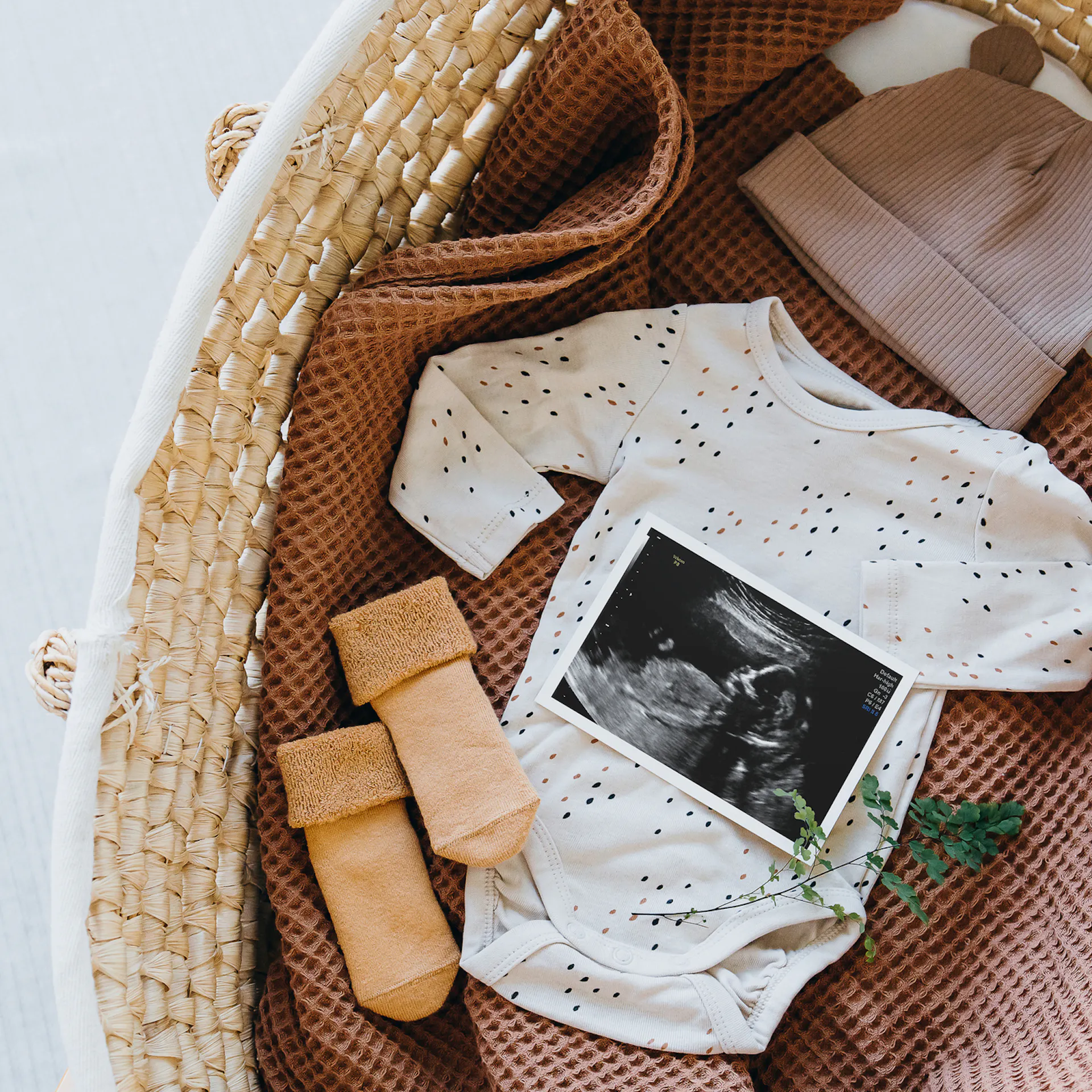
The child in the womb is not a potential human being. Biologically, he or she is a living human organism developing through the stages of human life. Within weeks, doctors can detect cardiac activity. Arms and legs form. Fingers and toes appear. The child moves and grows. Some babies born as young as 21 weeks have survived outside the womb. The value and humanity of a human being do not change with size or degree of dependency.
For Americans, the decisive question is simple: if the child is one of us, what protection does the law owe that child to protect his or her human rights?
That question also explains why pro-life advocates insist on describing abortion itself rather than relying only on euphemisms.
During a chemical abortion, mifepristone blocks progesterone, a hormone necessary to maintain pregnancy. Misoprostol then causes contractions and bleeding that empty the uterus.
During a second-trimester dilation and evacuation (D&E) abortion, instruments are used to remove the child from the uterus, often by dismemberment or disarticulation.
Some abortions later in pregnancy involve injection of a drug intended to cause the child’s death before labor is induced.
These descriptions are difficult to read because abortion is not an abstraction. It involves a living mother and living child. Both lives have inestimable value.
Missouri voters are revisiting this issue only two years after approving Amendment 3 in 2024. That amendment tragically gutted the state’s pro-life protections and put the right to kill through abortion in the state Constitution.
The new Amendment 3 on the 2026 ballot would repeal that provision. It would allow abortion in limited circumstances, including medical emergencies, certain conditions affecting the child, and rape or incest before 12 weeks. It would also permit lawmakers to regulate abortion businesses and facilities, require parental or judicial consent for minors, restrict public funding of abortion, and separately prohibit specified gender-transition procedures for minors.
Winning on these amendments is a vital step toward the North Star of the pro-life movement, found in the 14th Amendment of our cherished United States Constitution: “equal protection for all persons.”
Ronald Reagan essentially made that argument in 1988. He wrote that the right to life belongs “equally to babies in the womb” and pointed specifically to the Fifth and Fourteenth Amendments.
“The unalienable right to life,” Reagan wrote, “is found not only in the Declaration of Independence but also in the Constitution that every President is sworn to preserve, protect, and defend.”
The Fourteenth Amendment says that no state may “deprive any person of life, liberty, or property, without due process of law,” or deny any person “the equal protection of the laws.”
That is the deeper question beneath the ballot fights in Missouri, Idaho, Virginia, and Nevada.
Who counts as a person entitled to equal protection?
For Americans of good conscience, the answer is every human being, without regard to age, size, location (in or out of the womb), dependency, or disability.
Equal protection means equal protection for all humans, including the child in the womb.
The timing of this argument is no longer theoretical. This November, in the 250th year of our glorious national independence, voters in four states will have the opportunity to stand for the principles of our founding fathers and, in the “Spirit of 76,” vote to protect the rights of their most vulnerable neighbors.
***
Noah Brandt is Vice President of Communications and Government Affairs at Live Action.
.png)
.png)

