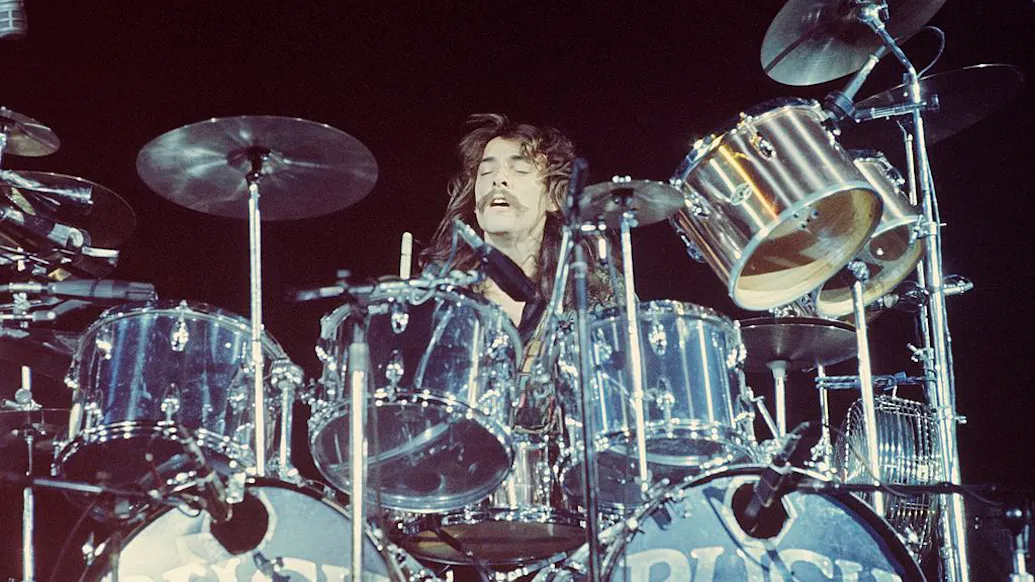
Why do we feel the death of a musician like Neil Peart, even though we have never met him? I hearken back to Ludwig Von Beethoven’s funeral for the answer. When he died in 1827, it’s estimated that anywhere from 10,000 to as many as 30,000 attended his funeral. Of course, most of these mourners had never met the man personally, or if they did they merely tipped their hats to him on the street (and perhaps got a grumbling insult from him in reply!). But they knew his music. They were so affected by it that they felt compelled to come and mourn his passing. In a way, they felt they did know him. Because they knew his mind and his heart as expressed in those beautiful sounds he left the world as his passing gift.
Music is unique in the arts in that it above all others has the eerie power to alter one’s mood and force them to actually feel what the composer is feeling — not through the words of a sonnet or the brushstrokes of a painting, however frenzied and passionate they may be, but rather in an almost primal way. One cannot avoid it. Who can listen to “Ode To Joy” and not feel exalted, a smile forming without even knowing it? Who can listen to a hard-driving rock song from, take your pick, Led Zeppelin, The Who, AC/DC, Nirvana, and a thousand others and not suddenly feel the urge, whatever your mood was before hitting ‘play’, to hurl heavy objects, run faster, jump higher, or play air guitar? After all, we don’t work out while reading Milton or staring at a photo of the Sistine Chapel ceiling. Instead, we don our headphones and amp up the music. Why? Because it actually changes us physiologically. The way love does.
.png)
.png)

