 Jennifer Sey
Cathy Engelbert will retire at the end of the year after seven years as WNBA commissioner. In corporate America, “stepping down” and “retiring” are the polite words C-suiters get when everyone already knows what happened: the powers that be say it’s time to go. In this case, Engelbert reports to NBA Commissioner Adam Silver. He likely pulled the trigger, with pressure from the Board of Governors for the league. But who knows for sure.
She is the CEO of this league and has been for seven years. Her job is revenue growth, team expansion, labor deals with players (the Collective Bargaining Agreement, or CBA), player safety, player travel, scheduling for the league and games, and daily operations.
To be clear: the league grew on her watch. It did not grow because of her. In fact, it seems to have grown in spite of her.
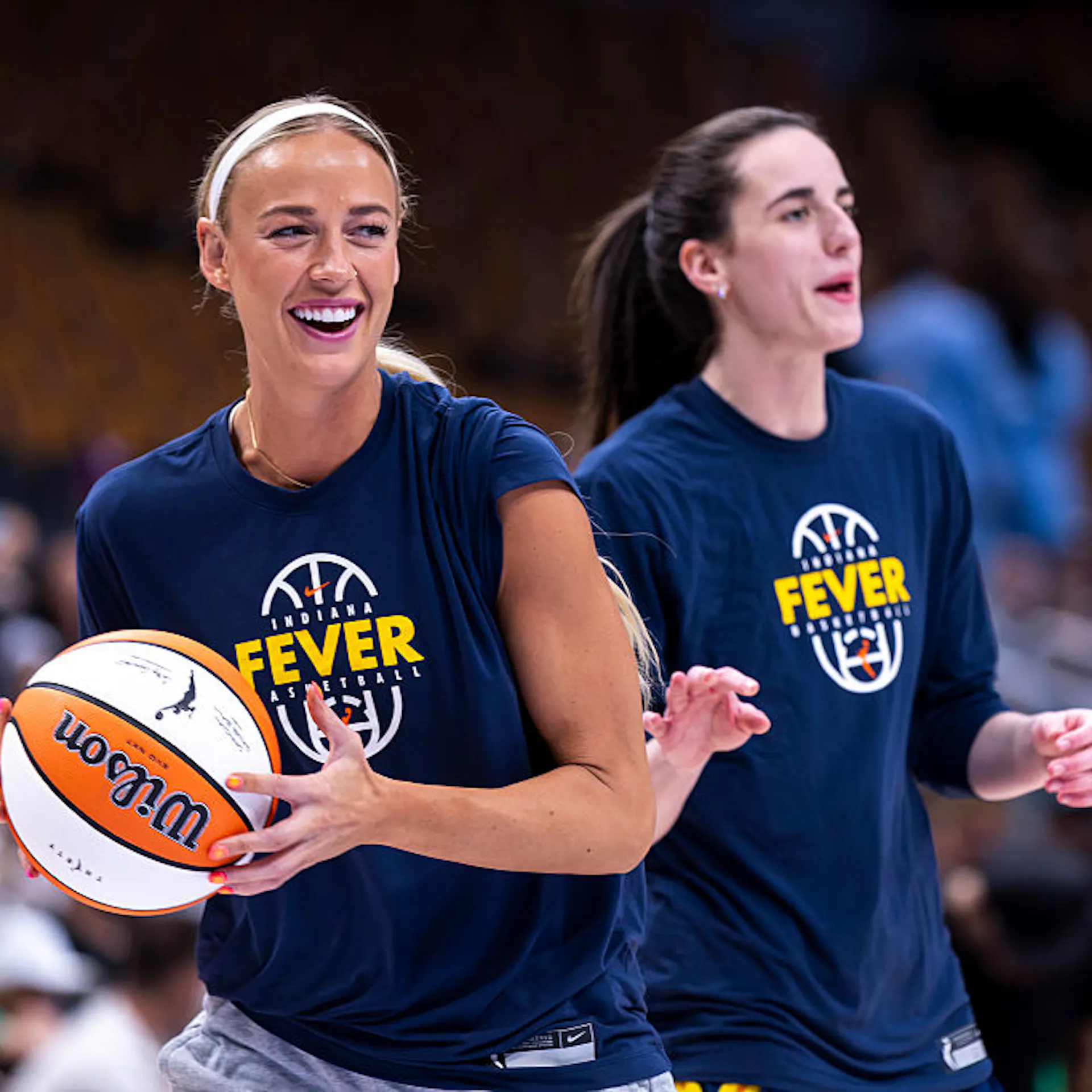
For two years, the WNBA has filled arenas and drawn unprecedented viewership. Games involving the Indiana Fever — and therefore Caitlin Clark — do the work. Those games sell the tickets and pull the ratings. Clark’s jersey sits with the top-selling NBA jerseys in the country. I have been to three Fever games, none of them in Indianapolis. Number 22 is the only jersey that actually pops in the stands. Little girls wear it. Adults wear it. It is everywhere.
Engelbert’s failure was not seeing that and running toward it. A commissioner paid to grow a product is supposed to put what people actually want at the center of the strategy. She did the opposite. She would not lead with Clark because too many players resent that Clark is the star, and she did not want to make the locker room mad. That is not leadership. That is a fiduciary abdication. She is paid nearly $3 million a year — compensation clearly benchmarked to her Deloitte CEO years, where she was paid the same — to make the hard calls.
For most of its history, this league never broke even. Three million dollars is a lot more than a participation trophy. And a lot more than this league could afford to pay her. And certainly way more than a leader who fails to actually lead deserves.
She also failed to protect the player driving the business. Clark has been targeted with excessive physicality. The league office’s response has been weak officiating and weaker punishment. The pile-ons keep happening, and the accountability never shows up.
And still the players dislike her anyway, even though her weakness on Clark is seemingly to satisfy the players’ resentment towards No. 22.
Napheesa Collier said the league has “the worst leadership in the world” — tone-deaf, obsessed with control instead of athletes, unwilling to fix persistent refereeing problems. Collier said Engelbert told her young stars like Clark should be “on their knees” with gratitude. Engelbert denies it. But it sounds exactly like something a certain kind of CEO says: employees should be grateful they have jobs! All while the people at the top take the bonuses and stock payouts and congratulate themselves for their genius.
I believe Collier. I’ve seen it a thousand times from a gazillion C-suiters who think they are a gift to corporate America and the place couldn’t survive without them.
All this weakness to appease players who don’t want Clark as the face of the league — and who cannot stand Engelbert anyway.
Perhaps just take a stand and do the right thing. If you’re disliked, at least be able to look yourself in the mirror. Grow a spine. If she did do the right thing — or anything resembling a decision — she just might have made a difference, and the players might have come around. No one respects weakness.
And then, there is the W. In the most obvious cultural moment for women’s sports in decades, Engelbert would not define what the W stands for. Instead, she met with league leaders and said, “We’ll engage key stakeholders,” because apparently it’s too hard and nuanced to define the W in the league’s actual name.
Afraid of players. Afraid of the leftie fans she imagines will revolt. Failing to lead, again.
The World Tennis Association drew a line. The league set a clear boundary for women’s tennis. The players largely supported it. And the sport moved on. There might be a week of noise, then a women’s league that is actually for women would go forward.
That is what the $3 million is for: do the hard thing.
Engelbert came from Deloitte. Consulting firms specialize in never quite deciding. Fancy PowerPoint decks. Stakeholder engagement. Recommendations that, if they work, belong to the consultant and, if they fail, belong to the client who “didn’t execute.” Either way, they get hired again.
That is what Engelbert’s WNBA tenure looked like: paper, process, no spine, no decisions.
No vision.
And the league grew anyway. No thanks to Cathy. All thanks to Caitlin.
***
This is republished with permission from the author. The original can be found here. Subscribe to Sey Everything here.
Jennifer Sey is the CEO of XX-XY Athletics. She is an author, filmmaker, and retired national champion gymnast.
.png)
.png)