 Rich Cromwell
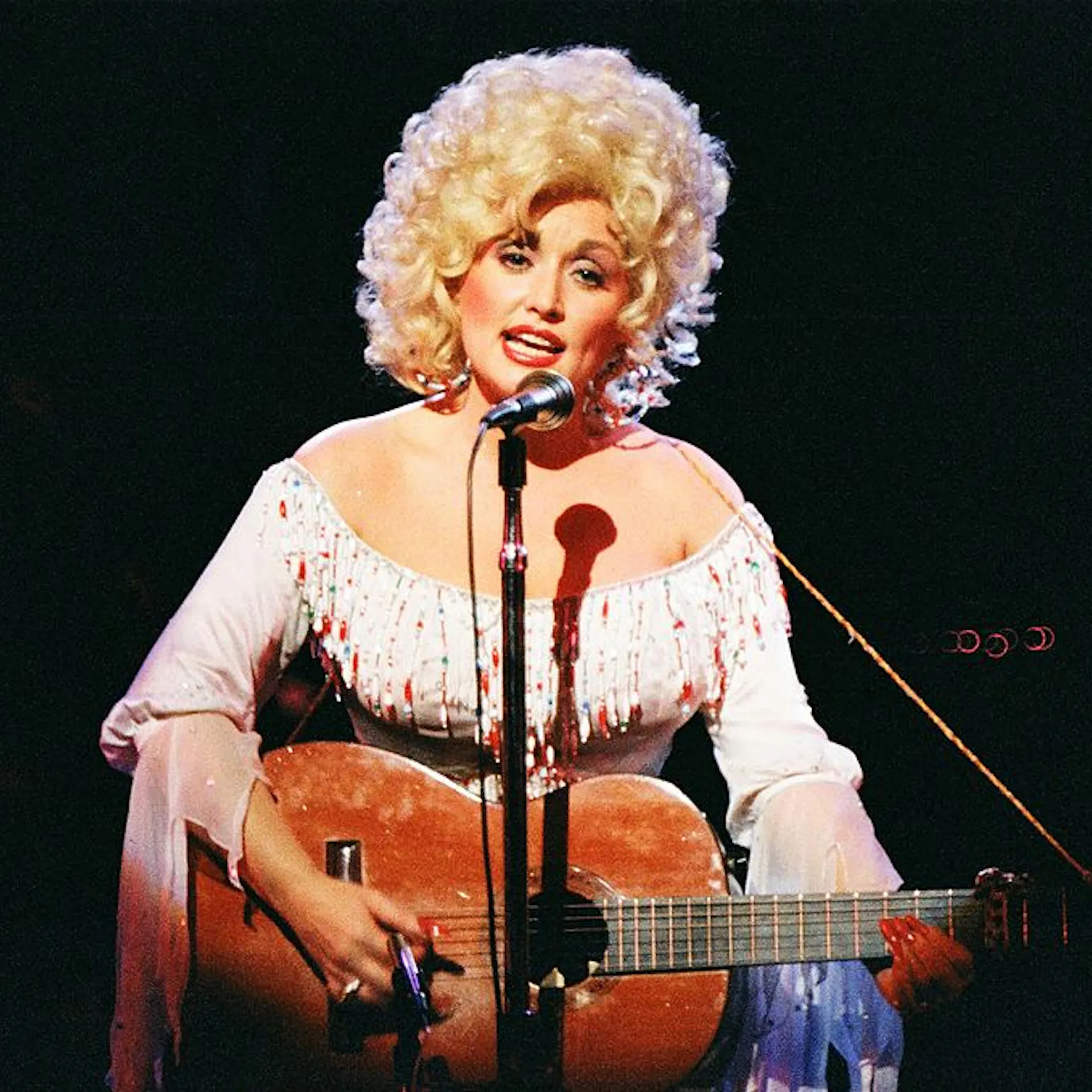
Dolly Parton arrived on this planet on January 19, 1946. She departed it on August 25, 2026. During those 80 years, she released hit albums, acted on stage and screen, opened a theme park, and donated books, time, and money through her philanthropic endeavors. She lent her name to a line of mixes for baked goods and frozen meals. Not bad for a girl from rural Tennessee who was best known for her bust.
She was not afraid to lean into her femininity. Part of it was defensive. She grew up in rough country, but the men there tended to leave more glamorous-looking women alone. Of her birthplace, she said, “Womanhood was a difficult thing to get a grip on in those hills, unless you were a man.” Also, though, she and her sisters loved to look at the models in various magazines because the girls in them “didn’t look at all like they had to work in the fields. They didn’t look like they had to take a spit bath in a dishpan.” But there was another reason for her femininity, one that was much more strategic.
Making a name for herself in Nashville, in a time when the music industry was dominated by men, required a certain amount of cunning. Playing up the big-breasted, ditzy blonde lowered expectations, which was what Parton wanted. That way, they never saw her coming. She didn’t build an empire by accident.
So, Parton leaned into the stereotypes. In 1967, she released “Dumb Blonde,” a song that featured the lines, “Just because I’m blonde don’t mean I’m dumb, ‘cause this dumb blonde ain’t nobody’s fool.” In what is quite possibly an apocryphal quote, she supposedly said, “I’m not offended by the dumb blonde jokes, because I know I’m not dumb, and I’m not blonde either.” Either way, she definitely told Barbara Walters, during a particularly patronizing interview, that “all these years, the people thought the joke was on me, but it’s actually been on the public. I know exactly what I’m doing.”
And she did. There was the record-setting 25 number-one hits by a woman on the Billboard country charts. There was “I Will Always Love You,” which Whitney Houston recorded a version of in 1992 and which sat atop the Billboard Hot 100 for 14 weeks. There were roles in “The Best Little Whorehouse in Texas,” “9 to 5,” and “Steel Magnolias.”
There was, and is, Dollywood. Bearing the badge of several other parks over the years, when Parton invested in it, it was a Silver Dollar City, a sister park to the original in Branson, Missouri. After her investment, it reopened in 1986 as Dollywood. Why a theme park? Parton said, “I always thought that if I made it big or got successful at what I had started out to do, that I wanted to come back to my part of the country and do something great, something that would bring a lot of jobs into this area.”
In 2021, a study by the Tennessee government found that she had done just that, and then some. At the time of the study, Dollywood had created 23,000 jobs. Its annual economic impact was $1.8 billion. Parton was inducted into the theme park hall of fame in 2025. Not bad for a dumb blonde.
Also not bad was her dedication to literacy and education. Her own father never learned to read, sparking a lifelong passion in her to help others avoid that fate. She created the Dollywood Foundation in 1988 to address such concerns. She paid high school students $500 each if they graduated. She started a program delivering free books to kids under five. She awarded college scholarships. She helped keep people afloat by giving them $1,000 per month after fires devastated Sevier County, where Pigeon Forge and Dollywood are located.
In short, the dumb blonde from rural Tennessee left not just a song catalog with her passing, but a legacy. She was an entertainer, an entrepreneur, a bombshell, a brand. She was an inspiration to countless people who saw what could happen with hard work, determination, and the ability to laugh at yourself. Most important, though, was that she was genuinely friendly, forgiving, and generous.
I know this because I experienced it. I lived in Nashville for a time, back when I thought about making it in the music industry as a producer. Naturally, this meant I ended up waiting tables, including after graduating from Belmont University. One night at Ruth’s Chris Steak House, I was working a plum section with three tables against the wall. Of those three, table 63 was the best as it was situated in the corner. It was a table for VIPs, so when Dolly and a friend came in, that’s where they were seated.
She was as pleasant a guest as a server could ask for, smiling and chatting. If I hadn’t known who she was, I wouldn’t have been able to figure it out by her behavior, which is not something I can say of every celebrity I’ve waited on. True to her roots, she asked for A.1. with her steak. I was busy and forgot to deliver it.
She didn’t mention it, didn’t complain, and still tipped me 20%. R.I.P., queen. There will never be another.
.png)
.png)

