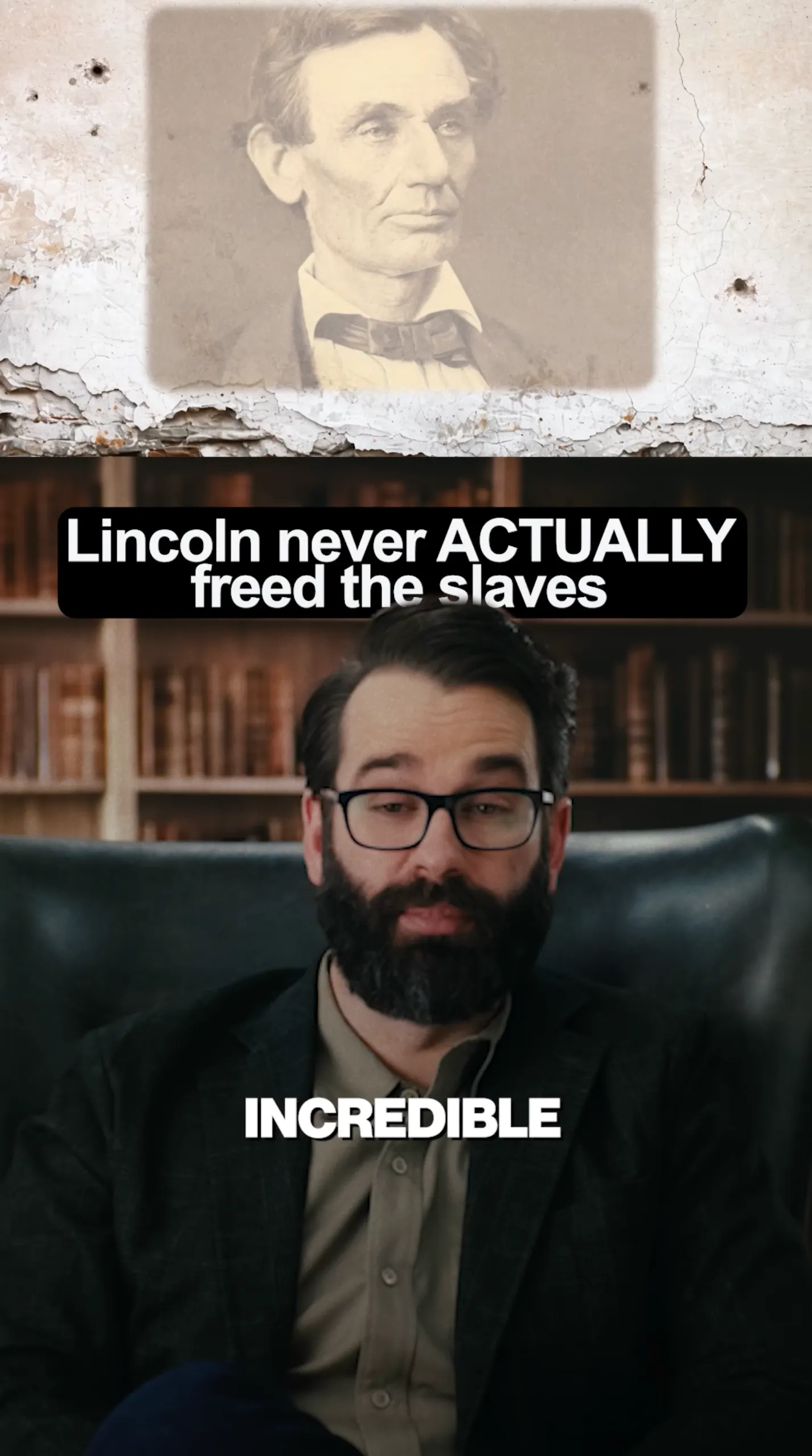
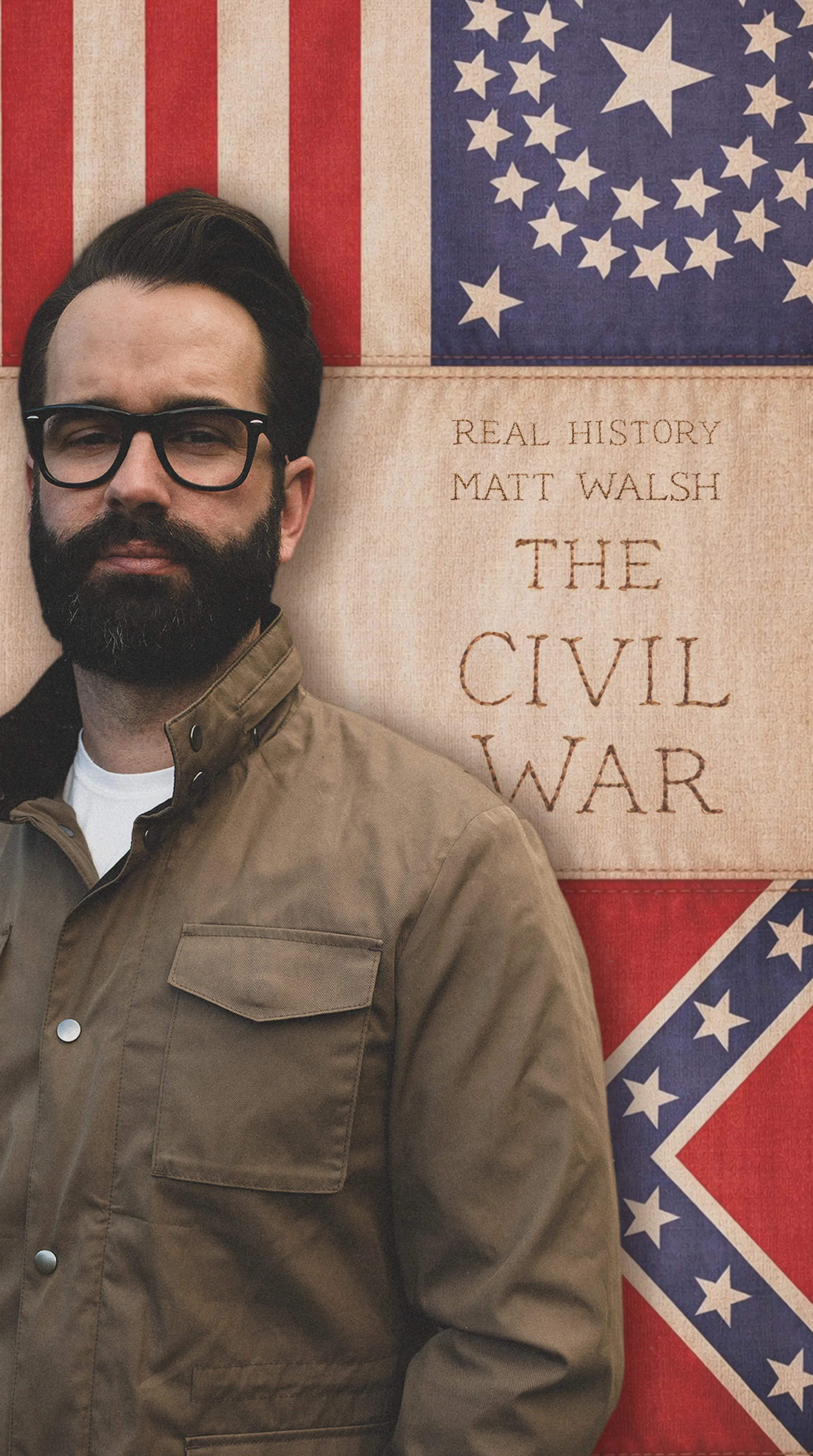
As the Civil War evolved, Abraham Lincoln’s views on slavery evolved. At first he was prepared to compromise with the South to keep the Union together. But then he realized no compromise was possible. In 1863, Lincoln issued his famous Emancipation Proclamation, declaring the effective end of slavery in the United States. Joseph Fornieri, professor of political science at the Rochester Institute of Technology, tells the story of this remarkable document.
When we study the Civil War, we have one big advantage over everyone who lived at the time: we know how it ended. We know the North won. We might, therefore, be tempted to think that a Union victory was inevitable. But the first eighteen months of the war pointed toward a very different outcome. Wilfred McClay, author of Land of Hope, tells the story.
For decades, tensions over slavery, states’ rights, and the future of the Union had been building. By the spring of 1861, the country had reached its breaking point at Fort Sumter. One final question remained: who would fire the first shot? Wilfred McClay, author of Land of Hope, tells the story of how the Civil War began.
America came to the brink of civil war over slavery in 1820, 1850, and 1861. The first two times, the country pulled back from disaster. The third time, it went over the edge. Was the Civil War unavoidable, or could the bloodiest conflict in American history have been prevented? Wilfred McClay, professor of American history at Hillsdale College and author of Land of Hope, investigates this question.
 6 min