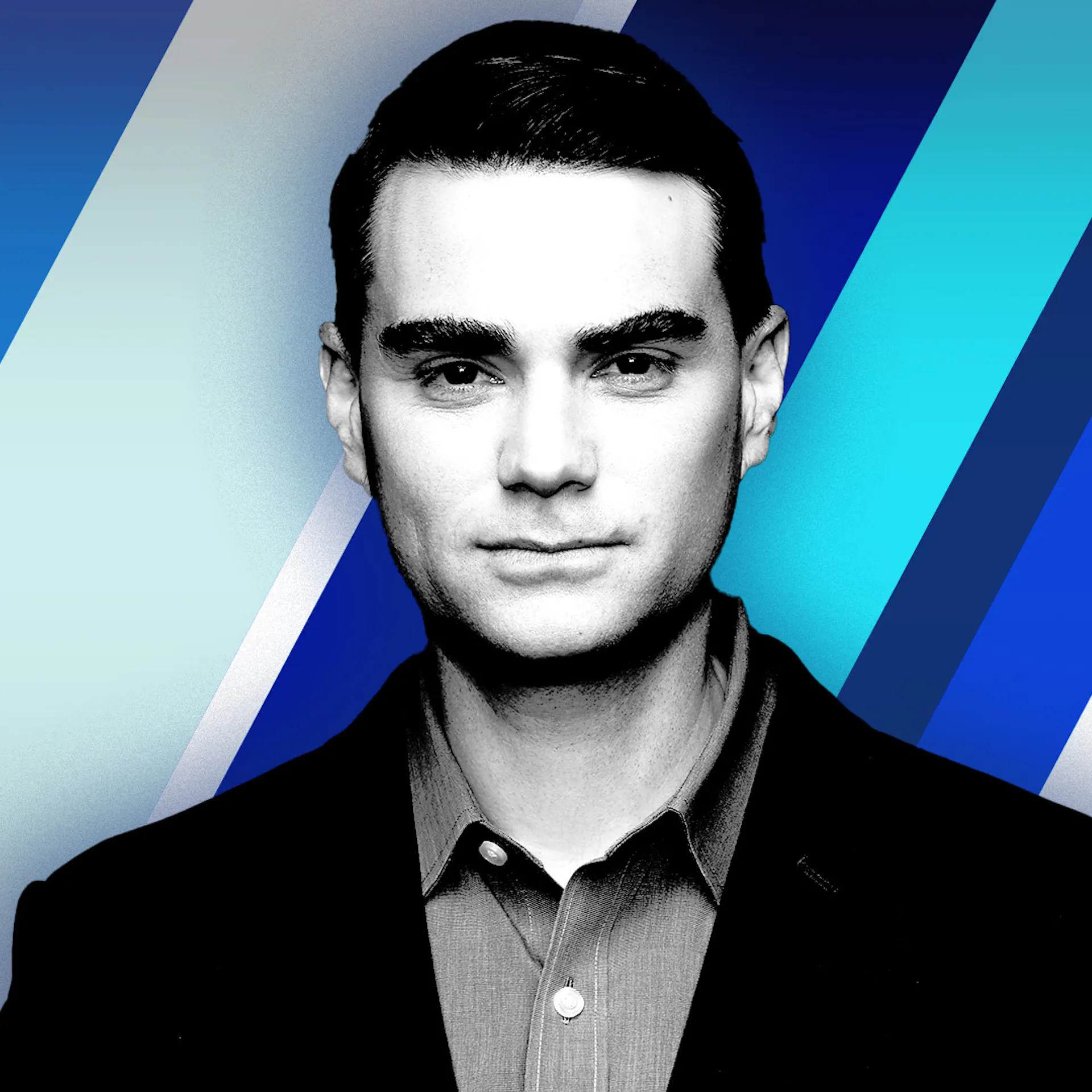
 Ben Shapiro
It has now been a week since Elon Musk took over Twitter, and the wailing and gnashing of teeth is still audible across the legacy media landscape. In one sense, that’s rather shocking: why, precisely, should members of the media be so apoplectic about a billionaire taking over a social media company from other millionaires, pledging to loosen restrictions on dissemination of speech? In another sense, the outrage is perfectly predictable: the legacy media oligopoly is now under threat.
To understand the angst of the legacy media and the Democratic Party over Musk’s takeover of Twitter, it’s important to understand the oligopolistic history of legacy media dominance. Until the 1990s, virtually all Americans had to rely on just a few major legacy media sources: the three networks, The New York Times, WaPo, and the like. A huge number of Americans relied on local newspapers, but these newspapers in turn relied on wire services like the Associated Press, AFP, Reuters, or McClatchy.
.png)
.png)