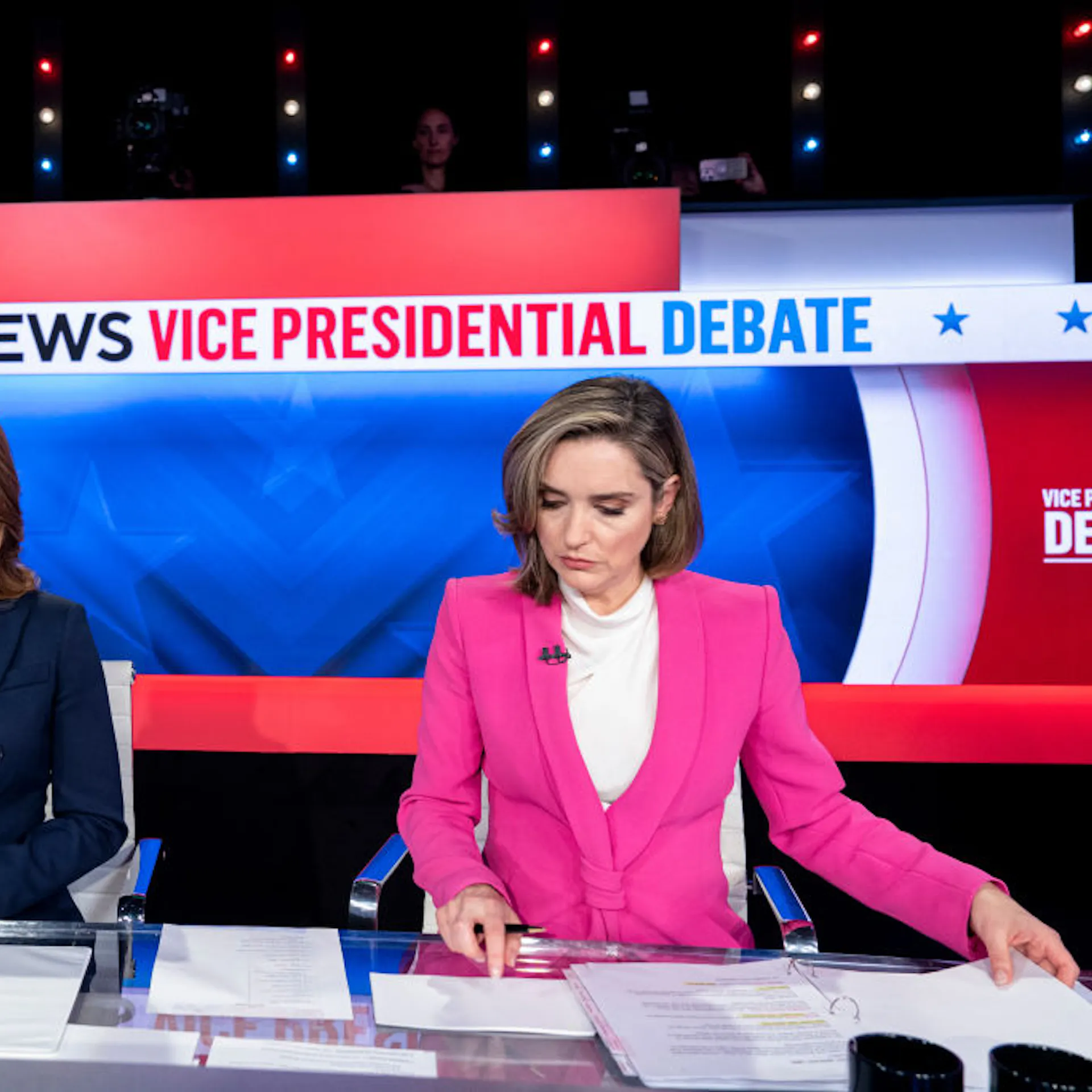

For all the differences between the presidential and vice presidential debates, there was one glaring similarity: the moderators weren’t able to keep their mouths shut. In the first debate, the rules allowed the moderators to “fact-check,” whatever that means exactly. In the second debate, the rules didn’t allow “fact-checking.” But in both cases, the moderators couldn’t help themselves. They weighed in, over and over again. And every single time, they interjected to help whatever Democrat was standing at the podium. And the format of these “fact-checks” was always the same, too. The moderators would wait for Donald Trump or JD Vance to stop speaking. Then they’d hastily recite a rehearsed, one-line “correction.” And then they’d immediately try to change the subject so that Trump or Vance couldn’t respond.
This would be disgraceful even if these moderators were telling the truth. The whole point of a debate is to hear from the candidates, not the moderators. But even if you disagree on that point — even if you think it’s good for the moderators to intervene when they think a candidate is lying — it’s still not clear why they would refuse to let the candidates respond to their “fact checks.” This wasn’t an accident; it was how they approached every single one of these fact checks, across two debates and two sets of moderators. And it’s worth figuring out why that is.
.png)
.png)